Artificial Intelligence (AI) is no longer just a buzzword or a concept confined to the realms of science fiction. It has become a foundational pillar of the modern digital economy, reshaping how businesses operate, how creators produce content,...
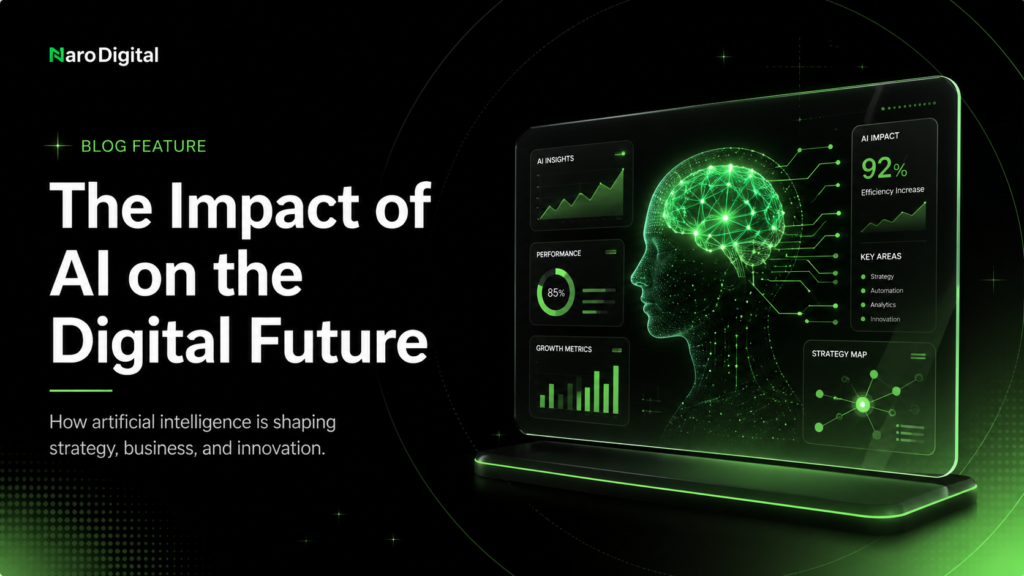
Artificial Intelligence (AI) is no longer just a buzzword or a concept confined to the realms of science fiction. It has become a foundational pillar of the modern digital economy, reshaping how businesses operate, how creators produce content, and how individuals interact with technology on a daily basis. From the algorithms that power our social media feeds to the sophisticated large language models capable of generating human-like text, AI is everywhere. But what does this mean for the future of the digital landscape? To understand the full scope of AI’s impact, we must look at its various applications, the ethical considerations it raises, and the immense potential it holds for innovation.
The Evolution of AI in Content Creation
One of the most visible shifts has occurred in the field of content creation. For decades, writing, graphic design, and video production were seen as uniquely human endeavors requiring a specific set of creative skills. Today, AI-powered tools are assisting creators at every stage of the process. Generative AI can now draft articles, suggest headlines, and even create stunning visual art from simple text prompts. This doesn’t mean human creativity is being replaced; rather, it is being augmented. Creators can now automate repetitive tasks—like basic photo editing or initial research—allowing them to focus on high-level strategy and emotional storytelling.
AI and the Transformation of Business Operations
Beyond creativity, AI is a powerhouse for operational efficiency. In the business world, predictive analytics are being used to forecast market trends with unprecedented accuracy. Customer service has been revolutionized by AI chatbots that can handle complex queries in real-time, providing 24/7 support without the need for a massive human workforce. Furthermore, AI in supply chain management is helping companies reduce waste and optimize delivery routes, contributing to both profitability and sustainability. For small business owners and website administrators, these tools level the playing field, providing access to data insights that were once only available to large corporations with massive budgets.
SEO and the New Search Landscape
For anyone managing a website, the impact of AI on Search Engine Optimization (SEO) cannot be overstated. Search engines like Google are increasingly using AI to understand user intent rather than just matching keywords. This shift toward “semantic search” means that content must be more relevant, authoritative, and helpful than ever before. AI tools can help webmasters identify content gaps, optimize for voice search, and analyze competitor strategies. However, as AI-generated content becomes more prevalent, search engines are also refining their ability to distinguish between low-quality “spam” and high-value information, making original human insight more valuable than ever.
Ethical Considerations and the Human Element
As we embrace these technological advancements, we must also address the ethical challenges they present. Issues such as data privacy, algorithmic bias, and the potential for job displacement are serious concerns that require careful navigation. It is crucial for developers and users alike to prioritize transparency and accountability. We must ensure that AI systems are designed to be inclusive and that the data used to train them is representative of the diverse world we live in. Ultimately, the goal of AI should be to empower humans, not to marginalize them.
Conclusion: Embracing a Collaborative Future
The future of AI is not a competition between man and machine, but a collaboration. By leveraging the speed and analytical power of AI while maintaining human oversight and empathy, we can solve some of the world’s most complex problems. Whether you are a blogger, a business owner, or a casual tech enthusiast, staying informed and adaptable is the key to thriving in this new era. The digital future is being written right now, and AI is the pen that is helping us draft a more efficient, creative, and connected world.