
Are your digital marketing efforts feeling like a guessing game? Many service businesses adopt tactics based on what competitors do or generic advice, leading to wasted time and budget. This post guides you to build a digital strategy...
The Digital Strategy Trap: Copying Competitors and Chasing Trends

Many service businesses find themselves investing in digital marketing without a clear roadmap. The temptation is strong to look at what competitors are doing, or to follow the latest ‘best practices’ discussed online. This approach often leads to fragmented efforts, wasted budget, and a frustrating lack of measurable results. You might be active on social media, running ads, and have a website, but are these efforts truly working together to achieve your core business goals? The problem isn’t a lack of activity; it’s a lack of alignment with how your business actually operates and generates revenue.
Why Generic Digital Tactics Don’t Work for Unique Businesses
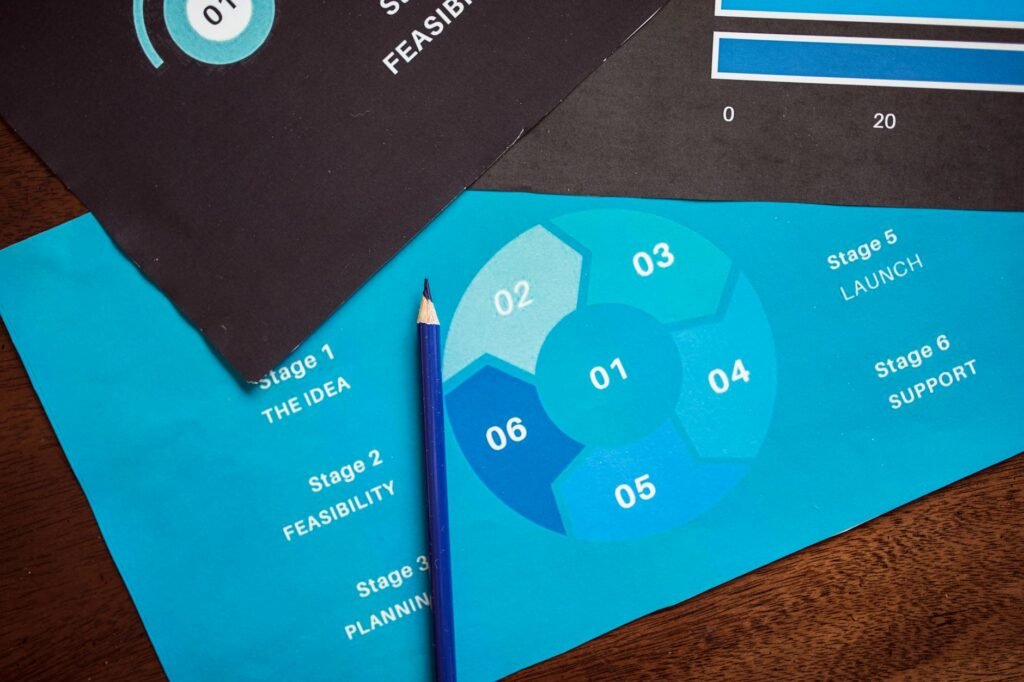
Your business isn’t a template, so why should your digital strategy be? Every service business has a unique model for delivering value, a distinct customer journey, and specific ways of building trust. A strategy built on copying others or on generic advice misses these crucial nuances. This leads to:
- Wasted Budget: Investing in channels or tactics that don’t resonate with your ideal clients.
- Fragmented Messaging: Your online presence doesn’t tell a consistent, compelling story.
- Missed Opportunities: Failing to connect with customers at key moments in their journey.
- Low Conversion Rates: Driving traffic that doesn’t understand your offer or trust your expertise.
Instead of adding to the digital noise, your efforts should be focused, intentional, and directly tied to how you earn income and build lasting relationships.
A clean, modern workspace with a laptop displaying a simple business model canvas and a notebook with hand-drawn customer journey maps. Natural light streams in, creating a calm and focused atmosphere.
Step 1: Map Your Unique Business Model
Before you think about social media posts or ad campaigns, you need to understand the engine of your business. Ask yourself:
- What specific problem do you solve for your clients? Be precise.
- What is your core service offering, and how is it delivered? Detail the process.
- How do you currently acquire new clients? What are the touchpoints?
- What makes your service or approach different and better? This is your unique value proposition.
- How do you build trust with potential clients? What information or interactions are critical?
For example, a boutique interior design firm might find that trust is built through detailed project portfolios and client testimonials, while a specialized business consultancy might focus on demonstrating expertise through in-depth case studies and clear problem-solution frameworks.
Step 2: Chart Your Customer’s Journey
Every client moves through a journey from awareness to becoming a loyal customer. Understanding this path is essential for knowing where and how to engage them digitally. Consider these stages:
- Awareness: How do potential clients first discover you? (e.g., search, referral, social media)
- Consideration: What information do they need to evaluate your services? (e.g., pricing, process, past work, testimonials)
- Decision: What prompts them to choose you? (e.g., a clear proposal, a consultation, a specific offer)
- Retention/Advocacy: How do you keep clients engaged and encourage referrals?
A hospitality business, for instance, might see a customer journey that starts with browsing photos online, moves to checking reviews and availability, and culminates in booking. A digital strategy should support each of these moments, providing the right information at the right time.
A visual representation of a customer journey, with distinct stages like ‘Discovery’, ‘Evaluation’, and ‘Decision’ connected by arrows. The background is blurred, focusing attention on the clear, infographic-style path.
Step 3: Design Your Digital Strategy Around Your Business
Once you clearly understand your business model and customer journey, you can build a digital strategy that makes sense. Instead of asking, “What are others doing?”, ask:
- Where do our ideal clients spend their time online, and what are they looking for there? This informs your social media and content strategy.
- What questions do prospects have at each stage of their journey? This guides your website design and SEO content.
- How can we make it easy for potential clients to understand our unique value and take the next step? This impacts your website and paid ads strategy, especially regarding landing pages.
- What repetitive tasks can be automated to free up our team for client-facing work? This is where AI & Automation can provide tangible business benefits, not just speed.
A strategy focused on your business model will naturally prioritize clarity, trust-building, and guiding qualified leads toward conversion, rather than chasing vanity metrics.
Focus on What Matters: Clear Outcomes, Not Just Activity
Building a digital strategy that fits your business model isn’t about adding more tasks to your plate. It’s about making sure the digital work you do perform is effective, efficient, and directly contributes to your business’s health and growth. It’s about moving from a place of guesswork and imitation to one of confident, purposeful action.
If your digital efforts feel disconnected or are not delivering the results you expect, it’s time to build a strategy that’s as unique as your business. Let’s connect and explore how a focused, bespoke digital approach can drive meaningful outcomes for you.