
Many service businesses treat social media like a digital billboard, visible but not actively driving leads. This guide outlines how to shift your social channels from passive broadcasting to a strategic system that generates qualified inquiries through clear...
Your Social Media Isn’t Working Hard Enough (And It’s Costing You Clients)

You’re posting regularly on social media. You’re getting likes, comments, and shares. But when it comes to actual customer inquiries and booked appointments, the results are… quiet. Sound familiar? For many service businesses, social media has become a digital billboard: it shows people you exist, but it doesn’t actively invite them to do business with you.
The problem isn’t necessarily your presence; it’s how you’re using it. Social media can be a powerful engine for lead generation, but it requires a shift from passive broadcasting to active engagement. It’s about moving beyond vanity metrics and focusing on driving tangible business outcomes: qualified conversations and paying clients.
From Passive Billboard to Active Lead Generator
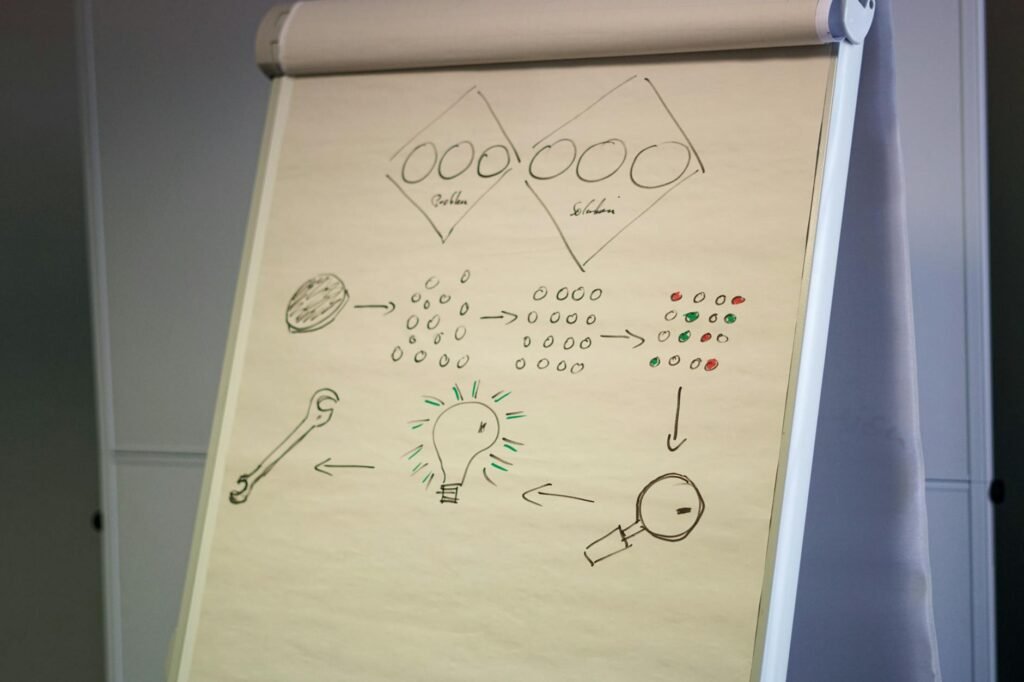
Think about your current social media strategy. Are you sharing updates, behind-the-scenes glimpses, or industry news? While these can build brand awareness, they often lack a clear next step for someone who is interested. To turn followers into prospects, your content needs to do more than just inform or entertain; it needs to guide them toward taking action.
Here’s how to make that transition:
- Understand Your Audience’s Pain Points: What problems are your ideal clients trying to solve? What are their frustrations, aspirations, and questions? Your social content should directly address these. Instead of just saying “We offer X service,” explain how X service solves a specific problem they’re facing.
- Craft Clear Calls-to-Action (CTAs): Every piece of content should have a purpose. What do you want people to do after they see your post? Don’t assume they’ll figure it out. Use direct, actionable CTAs like:
- “Download our free guide to [solve a problem]”
- “Book a discovery call to discuss your [specific need]”
- “Visit our website to see our [portfolio/case studies]”
- “DM us with your questions about [your service area]”
The key is to make the next step obvious and easy. A vague CTA like “Learn More” is less effective than a specific one that tells them exactly what to expect.
Strategic Content That Converts
Simply adding CTAs isn’t enough. The content itself needs to be strategic. It should build trust, demonstrate expertise, and clearly articulate the value you provide. Consider these content types:
1. Problem/Solution Content
This is where you directly address a common challenge your target audience faces and present your service as the solution. For example, an interior designer might post about the common pitfalls of small-space living and then showcase how their design process overcomes these issues. This type of content resonates because it shows you understand their struggles.
Example: A website design agency could share a post titled ‘Is Your Website Losing Leads After Social Media Clicks?’ followed by tips on landing page clarity and calls-to-action, positioning their expertise in conversion-focused design.
2. Value-Driven Resources
Offer something valuable for free in exchange for contact information. This could be an e-book, a checklist, a template, or a short webinar. These lead magnets attract people who are genuinely interested in what you offer and are willing to engage further.
Example: A web developer could offer a “Website Audit Checklist” that helps business owners identify areas for improvement on their current site, with an option to book a consultation for a deeper dive.
3. Social Proof and Case Studies (Briefly)
While detailed case studies live on your website, social media is a great place to tease them. Share a compelling statistic from a successful project or a testimonial snippet that highlights a specific benefit clients receive. Always link back to the full story on your website.
Example: Share a testimonial snippet highlighting a specific benefit a client received, then link to the full context on your website. For instance, ‘Our clients consistently tell us how much easier their booking process has become since working with us. Find out why on our website!’
4. Behind-the-Scenes Focused on Process
Showcase your expertise and how you work. This isn’t just about making your business look good; it’s about demystifying your service. When potential clients understand your process, they feel more confident about engaging your services.
Example: A brand strategist could share a short video clip of a brainstorming session (without revealing client details), explaining the steps involved in developing a strong brand identity.
Connecting Social Media to Your Website
Your website is the ultimate destination for lead conversion. Social media should act as the bridge. Ensure your website is optimized for clarity, trust, and conversion. Every social media CTA should lead to a relevant page on your website—a landing page, a service page, or a contact form—that makes it easy for interested prospects to take the next step.
A well-designed website, focused on user experience and clear communication, will do the heavy lifting once social media has captured attention. It’s where you can fully articulate your value, build deeper trust, and facilitate the inquiry process.
Start Driving Qualified Conversations
Shifting your social media from a passive billboard into an active lead-generation tool requires strategic intent. It means understanding your audience, creating content that speaks to their needs, and guiding them with clear calls-to-action toward meaningful engagement. By focusing on these practical steps, you can ensure your social media efforts translate into genuine business growth.
Ready to build a digital presence that attracts and converts the right clients? Let’s talk about your strategy.