
Many service businesses let their website sit as a static brochure. Learn how to strategically design its structure, messaging, and user journey to actively build client trust and generate qualified leads, turning your online presence into a measurable...
The Brochure Trap: Why Your Website Isn’t Working Hard Enough

Many service businesses invest in a website, launch it, and then treat it like a static brochure. It’s an online placeholder, a digital business card that simply exists. This ‘brochure mentality’ is a common pitfall, and it means missing the true potential of your most valuable digital asset.
A website isn’t just an expense; it’s a strategic tool. If it’s not actively building trust, clarifying your value, and guiding visitors towards becoming qualified leads, it’s not working hard enough. It should be a measurable contributor to your bottom line, not just an online presence.
Beyond Aesthetics: Designing Your Website as a Strategic Asset
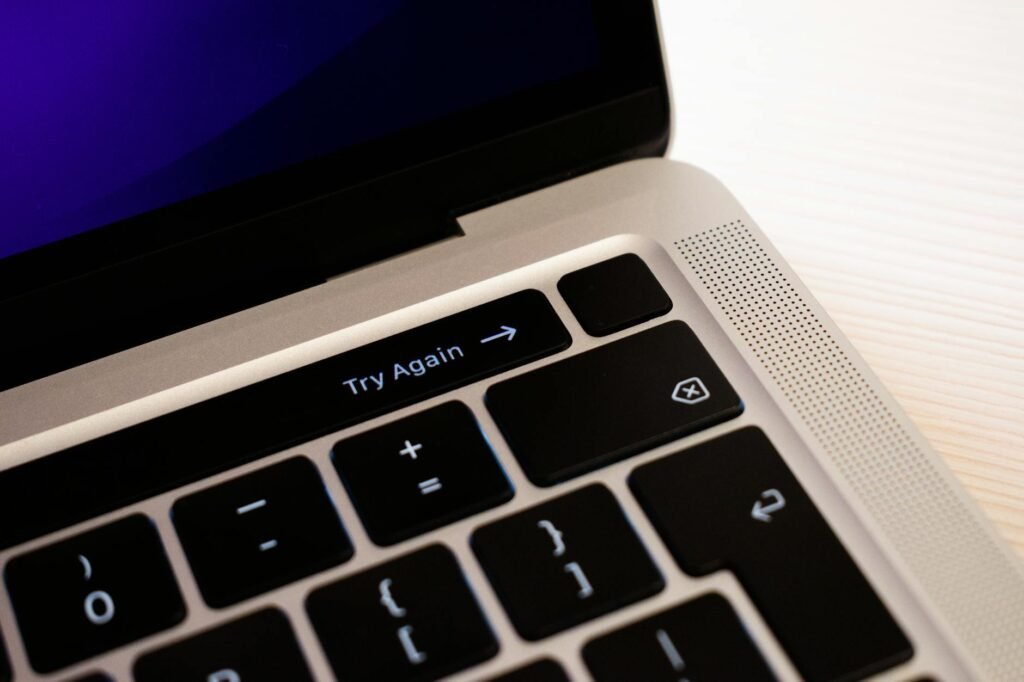
Transforming your website from a passive brochure into an active business asset requires a shift in mindset. It’s not about chasing flashy trends or superficial aesthetics; it’s about intelligent design rooted in purpose. A strategic website is meticulously crafted to achieve specific business outcomes: to build client trust, clearly articulate your offer, and reliably convert interested visitors into valuable leads.
This strategic approach rests on three fundamental pillars: its underlying structure, the clarity and impact of its messaging, and the intentional journey it creates for every user.
Pillar 1: The Foundation – Strategic Structure and Intuitive User Journey
Imagine inviting a potential client to your physical business, only for them to wander aimlessly, unable to find what they need or understand your services. That’s precisely what a poorly structured website does.
A strategic website, by contrast, is like a well-planned conversation or a guided tour. Its structure anticipates your visitors’ questions and guides them logically through your offerings. This means:
- Clear Navigation: Visitors should immediately understand where to find your services, learn about your team, or get in touch. Simplicity and predictability are key.
- Logical Flow: Each page should lead naturally to the next, supporting the visitor’s information needs without overwhelming them. Think about the most logical next step for someone exploring your services.
- Mobile-First Design: With the majority of internet traffic coming from mobile devices, your site must be fully responsive and provide an excellent experience on any screen size.
Question for decision-makers: Can a first-time visitor immediately understand what you do and where to go next without confusion or frustration?
Your website’s structure isn’t just about looking organized; it’s about making it easy for potential clients to engage with you and your services.
Pillar 2: The Core – Messaging That Builds Trust and Articulates Value
Even the most beautiful website will fail if its words don’t resonate. Generic, jargon-filled, or unclear messaging creates distance and confusion. Your website’s content is its voice, and it must speak directly to your audience’s problems, offering your solution with clarity and authority.
To build trust and articulate value effectively, your messaging needs to be:
- Problem-Solution Focused: Clearly identify the pain points your target audience experiences, then present your service as the precise, empathetic answer.
- Unique Value Proposition: Go beyond what you do and explain why you do it differently or better. What distinct benefit do clients gain by choosing you over others?
- Credibility-Building: While we don’t invent testimonials, your site should explain your process, highlight your expertise, and demonstrate a clear understanding of your clients’ needs.
At Naro, we help businesses craft messaging that cuts through noise, replacing ambiguity with clear, confident communication that establishes authority and rapport.
Question for decision-makers: Does your website clearly state who you help, what problem you solve, and how you solve it uniquely and effectively?
Pillar 3: The Action – Designing for Conversion and Lead Generation
A website that looks good but fails to generate leads is a missed opportunity. Every element on a strategically designed website serves a purpose: to move a visitor closer to becoming a client. This isn’t about being pushy; it’s about making the next step clear and easy.
Key elements for conversion-focused design include:
- Clear Calls to Action (CTAs): What do you want your visitors to do next? Whether it’s “Schedule a Consultation,” “Request a Quote,” or “Download Our Service Guide,” your CTAs should be prominent, compelling, and guide the user.
- Optimized Forms: Keep forms concise, asking only for essential information. Long, complicated forms create friction and deter potential leads.
- Strategic Landing Pages: For specific services or campaigns, dedicated landing pages can focus the user’s attention and maximize conversion rates by removing distractions.
- Seamless Integration: Ensure your website seamlessly integrates with your lead management systems, preventing leads from falling through the cracks and allowing for efficient follow-up.
Think of it as the ‘Next Step’ mentality: after absorbing information, what is the most logical, low-friction action a visitor can take to continue their journey with your business?
Your Website: A Measurable Contributor, Not a Cost Center
When approached strategically, your website ceases to be merely an online brochure and transforms into a powerful, measurable asset. It consistently builds trust, clarifies your unique value, and reliably generates qualified leads. This isn’t just about having a presence; it’s about having a digital system that actively contributes to your business growth.
This strategic approach forms the core of Naro’s website design and development work. We focus on creating digital systems that communicate better, convert better, and ultimately, help your business work smarter.
Transform Your Online Presence
If your website feels like a static brochure rather than a dynamic business asset, it’s time to re-evaluate its purpose and design. Transform it into a consistent source of trust and qualified leads.
Let’s discuss how your website can actively build trust and convert for your business. Get in touch with Naro today.