
Many businesses chase social media engagement, but likes rarely translate into leads. This guide offers a practical framework to shift focus from vanity metrics to building trust and driving qualified inquiries.
The Social Media Mirage: Likes vs. Leads

Businesses often invest heavily in social media, chasing likes, shares, and follower counts. It’s easy to get caught up in these numbers, mistaking them for genuine business progress. But here’s the critical question: are those likes translating into actual customer conversations, inquiries, or sales? For most, the answer is a disappointing ‘no.’
Vanity metrics – superficial indicators of popularity – rarely build the trust or demonstrate the value needed to prompt a potential customer to reach out. Businesses that focus solely on engagement often find themselves investing in platforms without seeing a tangible return. This isn’t about abandoning social media; it’s about fundamentally shifting your approach from chasing popularity to building meaningful connections that drive business outcomes.
A Framework for Meaningful Social Media
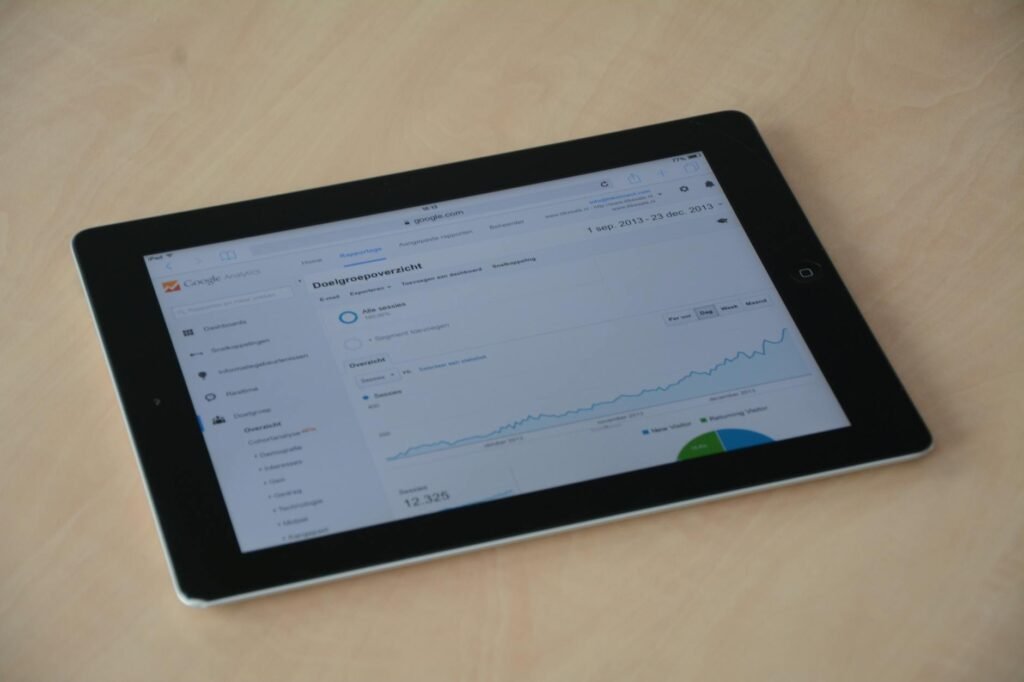
To move beyond the vanity metric trap, you need a clear framework for evaluating your social media activities. This framework should prioritize actions that build trust, demonstrate expertise, and clearly guide potential clients toward taking the next step. Think of it as a filter: does this activity directly contribute to someone understanding our value, trusting us, and wanting to learn more?
1. Focus on Demonstrating Expertise, Not Just Presence
Instead of generic updates or resharing content, focus on creating and sharing content that showcases your unique knowledge and solutions. This could include:
- Problem/Solution Posts: Highlight common client challenges and explain how your business solves them.
- Behind-the-Scenes Insights: Show your process, your team’s expertise, or how you approach projects. This builds transparency and trust.
- Client Education: Share tips, advice, or industry insights that position you as a knowledgeable authority.
Ask yourself: Does this post educate or inform my ideal client in a way that highlights our capabilities?
2. Prioritize Trust-Building Content
Trust is the bedrock of any business relationship. Social media can be a powerful tool for building it, but it requires intention. Consider content that:
- Answers Frequently Asked Questions: Address common hesitations or points of confusion potential clients have.
- Showcases Your Values: What makes your business different? Share your mission, your approach, or what you stand for.
- Features Client Success (Without Over-Promising): Share anonymized examples or general outcomes of how you’ve helped clients achieve their goals.
Ask yourself: Does this content make a potential client feel more confident in our ability to help them?
3. Create Clear Calls to Action (CTAs)
This is where many businesses falter. If your posts don’t clearly tell people what to do next, they won’t know. Your CTAs should be specific and aligned with your business goals:
- Direct to a Specific Landing Page: If you want sign-ups for a guide, send them to a dedicated page.
- Encourage a Direct Message: For initial consultations or specific inquiries, prompt them to send a DM.
- Link to Your Services Page: If they’re ready to explore what you offer, guide them to learn more.
- Prompt a Website Visit: For general information or to explore your full offer.
Avoid vague CTAs like “Learn More” without context. Instead, try “Download our free guide to [topic],” or “Book a discovery call to discuss your [specific need].”
Ask yourself: Is it immediately obvious to the reader what I want them to do after seeing this post, and where they should go?
4. Measure What Matters: Track Inquiries, Not Just Engagement
Shift your tracking away from likes and comments. Instead, focus on:
- Inbound Inquiries: How many new leads can you trace back to your social media efforts?
- Website Traffic from Social: Are people clicking through to your site, and what are they doing once they get there?
- Conversion Rates on Landing Pages: If you’re driving traffic to specific pages, how many are converting?
This requires a more disciplined approach to tracking, often involving UTM parameters for links and consistent internal processes for lead attribution. But the clarity it provides is invaluable. You’ll quickly see which types of content and which platforms are genuinely contributing to your bottom line.
From Vanity to Value
Social media can be a powerful engine for business growth, but only when it’s strategically aligned with your goals. By moving past the allure of superficial engagement metrics and focusing on demonstrating expertise, building trust, and providing clear pathways for potential clients to connect, you can transform your social media presence from a popularity contest into a reliable source of qualified business inquiries. It’s about making every post work harder to build your business, not just your follower count.
Ready to ensure your digital efforts are driving real business outcomes? Let’s talk about building a social media strategy that works for you. Learn more about our social media services.