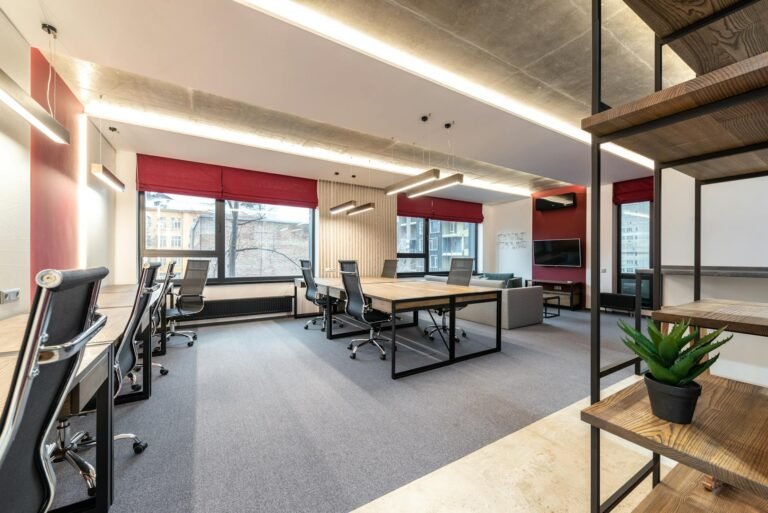
Many service businesses fear automation erodes the personal touch. Discover how practical, human-centered automation frees up your most valuable resource – time – allowing you to deepen client relationships and focus on what truly matters.
The Automation Paradox: Fear vs. Freedom

As a service business owner, your time is your most precious commodity. You’re pulled in a dozen directions: client calls, strategic planning, service delivery, team management, and the endless administrative tasks that keep the wheels turning. It’s easy to feel like there’s never enough time to focus on what truly drives growth and client satisfaction.
When the topic of automation comes up, many business owners hesitate. The fear is understandable: will automating processes make your business feel cold, impersonal, or overly complicated? Will it strip away the human connection that is the bedrock of your service?
At Naro Digital, we believe this is a misconception. Automation, when implemented with a human-first approach, doesn’t replace connection; it enhances it. It’s not about removing people from the equation, but about removing the repetitive, time-consuming tasks that prevent your people from doing their best work.
What is Human-First Automation?

Human-first automation means using technology to streamline operations without sacrificing the personal touch. It’s about identifying the bottlenecks in your workflow—the tasks that are essential but drain energy and time—and finding smart, automated solutions to handle them. The goal is to free up your team’s capacity so they can dedicate more focused attention to:
- Deepening Client Relationships: More time for personalized communication, proactive problem-solving, and understanding client needs on a deeper level.
- Strategic Decision-Making: The mental space to analyze performance, plan for the future, and innovate without being constantly interrupted by routine tasks.
- Delivering Exceptional Service: Ensuring the core of your business—the quality of your service and the client experience—receives the undivided attention it deserves.
Think of it as clearing away the clutter so you can see and connect with what’s truly important.
Practical Applications for Service Businesses
Let’s look at some common areas where automation can make a significant difference, without compromising the human element:
1. Client Onboarding and Communication
The initial stages of a client relationship are crucial. Automation can ensure consistency and promptness:
- Automated Welcome Emails: Send a warm, informative welcome email immediately after a new client signs on, outlining next steps and setting expectations. This ensures no one falls through the cracks.
- Appointment Reminders: Automated reminders for appointments reduce no-shows and free up administrative staff from making repetitive calls.
- Information Gathering: Use automated forms to collect necessary client information upfront, allowing your team to review and prepare before the first meeting, making that personal interaction more productive.
The human touch comes in the personalized follow-up and the quality of the meeting itself, now unburdened by administrative delays.
2. Lead Nurturing and Follow-Up
Not every lead is ready to buy immediately. Automation can keep your business top-of-mind:
- Drip Campaigns: Set up automated email sequences that deliver valuable content to potential clients over time, building trust and demonstrating expertise.
- Follow-Up Reminders: Automate reminders for your sales or service team to follow up with leads who have shown interest but haven’t converted.
This isn’t about impersonal sales pitches; it’s about providing ongoing value and being there when the client is ready, with a human ready to engage.
3. Internal Workflow Efficiency
Internal processes can be a major drain on resources. Automation can streamline operations:
- Task Assignment: Automatically assign recurring tasks to team members based on predefined rules.
- Data Synchronization: Ensure client information is consistent across different platforms (e.g., CRM, project management tools) without manual data entry.
- Reporting: Automate the generation of regular performance reports, providing clear insights without hours of manual compilation.
By automating these background tasks, your team can focus on the creative, strategic, and client-facing aspects of their roles.
Making Automation Work FOR You, Not Against You
The key to successful, human-first automation lies in thoughtful implementation:
- Start Small: Identify one or two repetitive tasks that consume significant time and explore automated solutions for those first.
- Prioritize Clarity: Ensure automated communications are clear, concise, and aligned with your brand voice. Avoid jargon or overly robotic language.
- Maintain Oversight: Automation should support, not replace, human judgment. Regularly review automated processes to ensure they are effective and aligned with your business goals.
- Integrate Thoughtfully: Choose tools that integrate well with your existing systems to avoid creating new silos or complexities.
When done right, automation doesn’t create distance; it creates space. Space for genuine connection, strategic thinking, and the focused delivery of exceptional service that your clients value.
Ready to Reclaim Your Time?
If you’re feeling bogged down by repetitive tasks and want to explore how human-first automation can free up your team and deepen client relationships, let’s talk. We can help you identify the right opportunities for efficiency without sacrificing the personal touch that makes your business unique.
Get in touch with Naro Digital today to discuss your business’s unique needs.